
ARTIFICIAL LIGHT
More on Soft Light vs Hard Light

If you understand and practice manipulating natural light to support and enhance your photos, you'll be better prepared to work with artificial light. Whether shooting indoors, at night, or simply preferring complete control over your lighting, artificial sources give you the power to shape illumination exactly as you envision.
When using artificial light, you'll encounter the same problems as with direct sunlight. Light coming straight from a flash or LED creates hard-edged, contrasty results, producing distinct patterns of highlights and shadows across your subject. While this dramatic style was once a necessity before the widespread adoption of flash photography and can be used creatively for theatrical effect, it often appears unnaturally harsh.
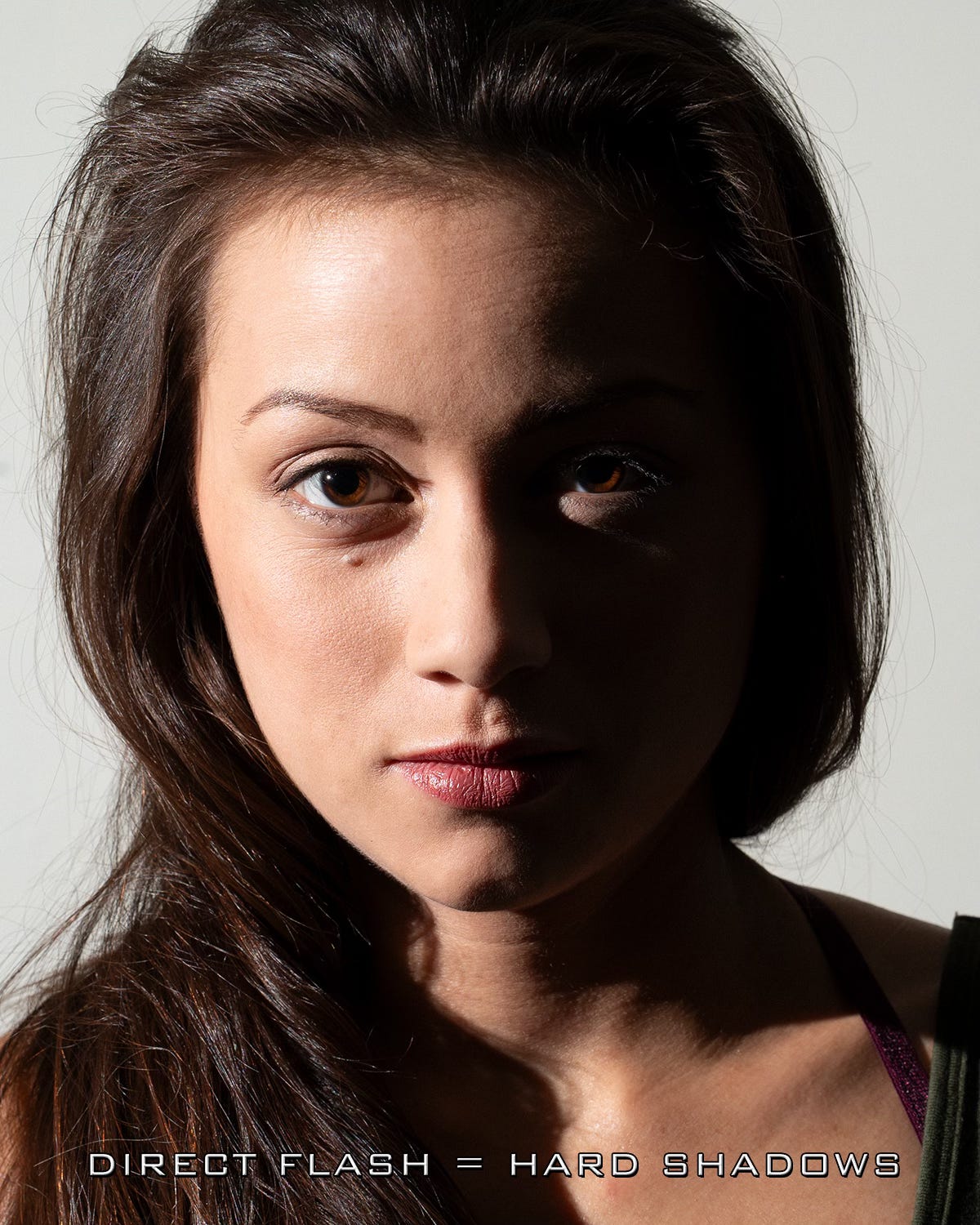
The challenge lies in how our brains process visual information. Our minds naturally filter out harsh lighting patterns from the direct sun, allowing us to examine subjects clearly. Your camera, however, faithfully records these intense contrasts without this mental processing, resulting in problematic images.
To create photographs that match our natural visual experience, soft light sources with larger emitting surfaces are essential. The softness of light depends entirely on the spread of rays reaching your subject. Imagine billions of individual points of light, each casting its own shadow. When these rays arrive from different angles, their overlapping shadows create soft edges and broad, pleasing highlights instead of concentrated hot spots.
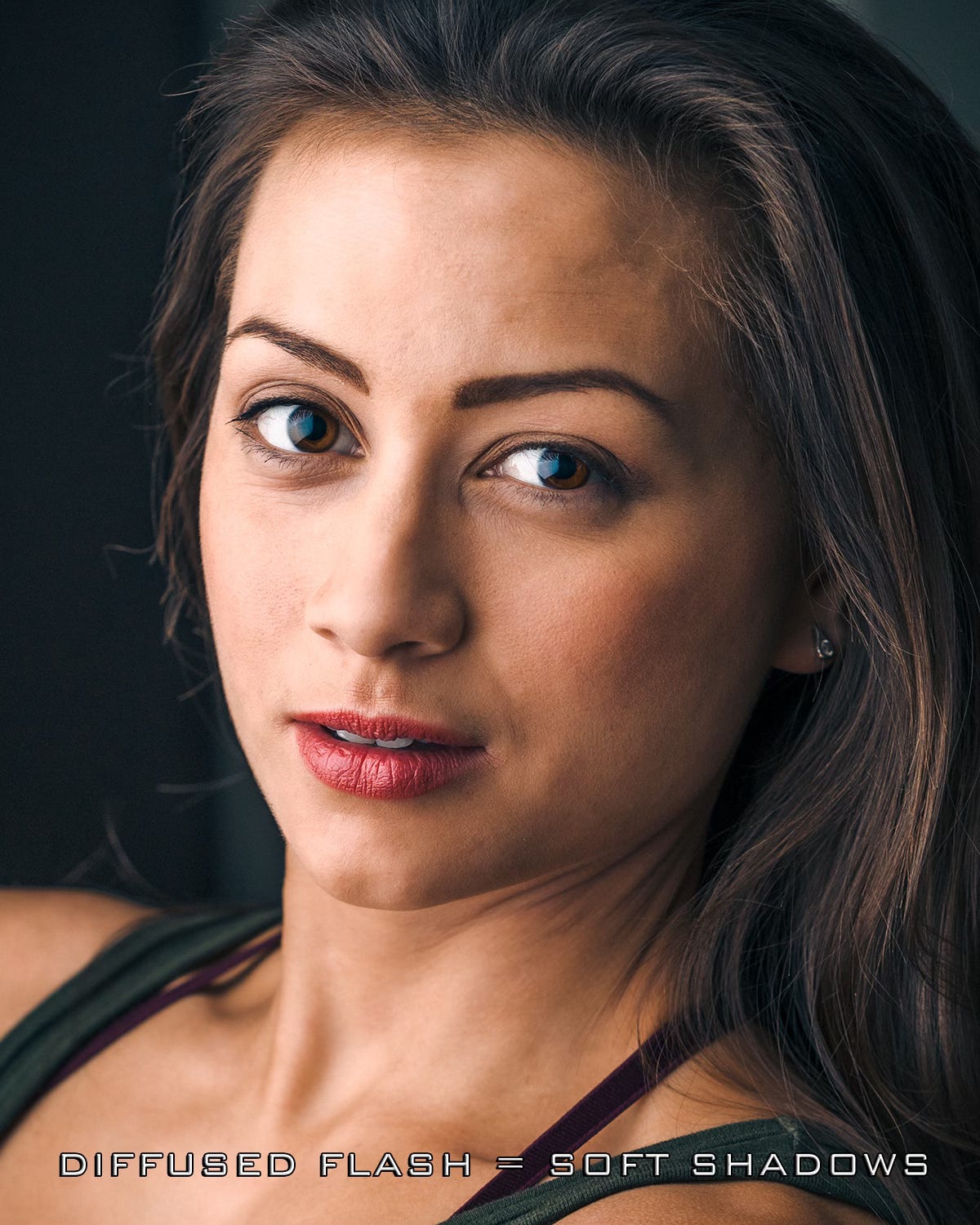
Artificial lighting presents two significant challenges not encountered with natural light.
The first is shadow management. In nature, even with direct sunlight, wraparound light reflected from the sky, buildings, and ground fills shadows automatically. In controlled environments, photographers must deliberately create this fill light, either through reflected light from white surfaces or with diffused secondary light sources that simulate the omnidirectional quality of natural ambient light. The photographer must carefully control the brightness of this fill light to achieve the desired contrast between highlights and shadows.
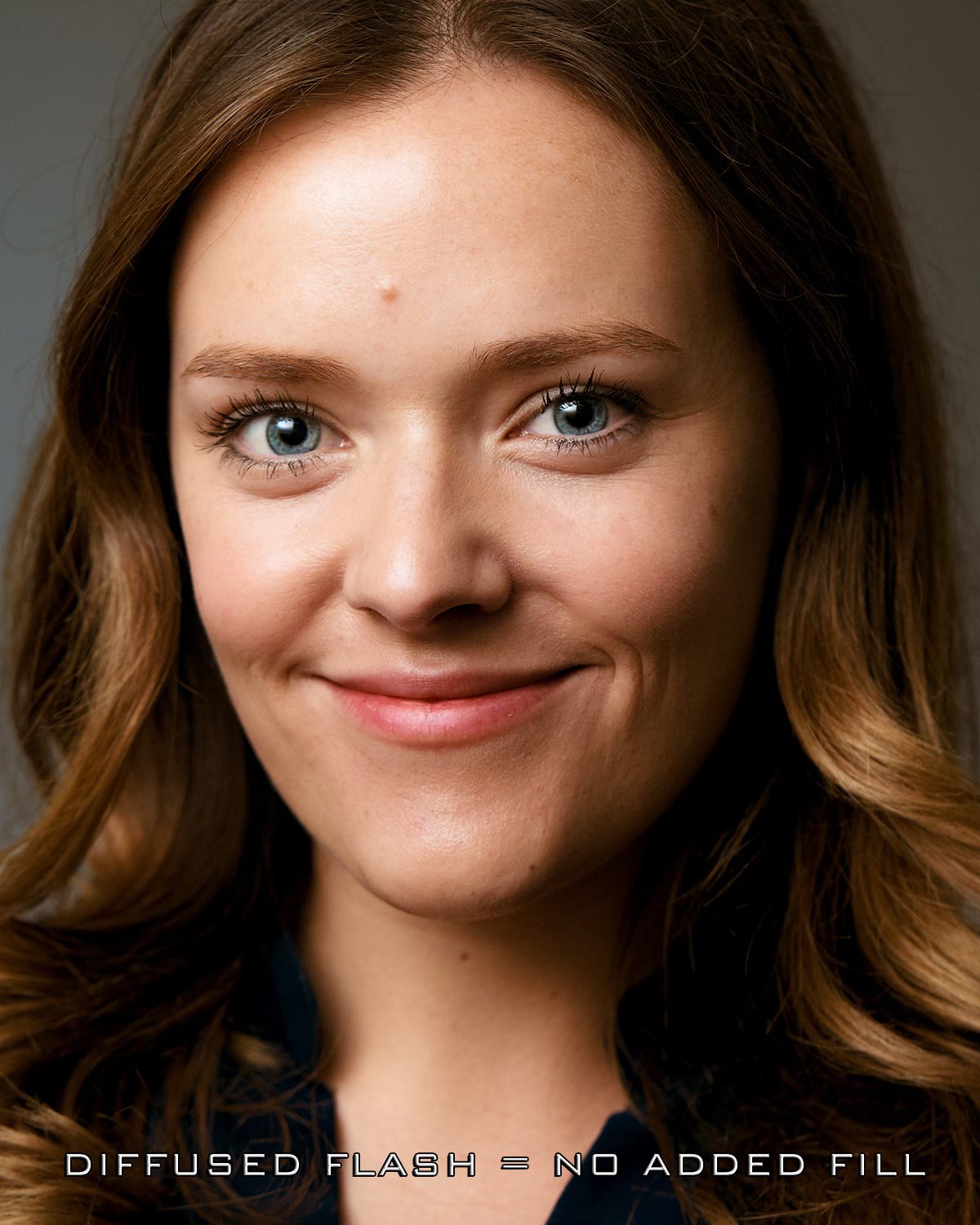
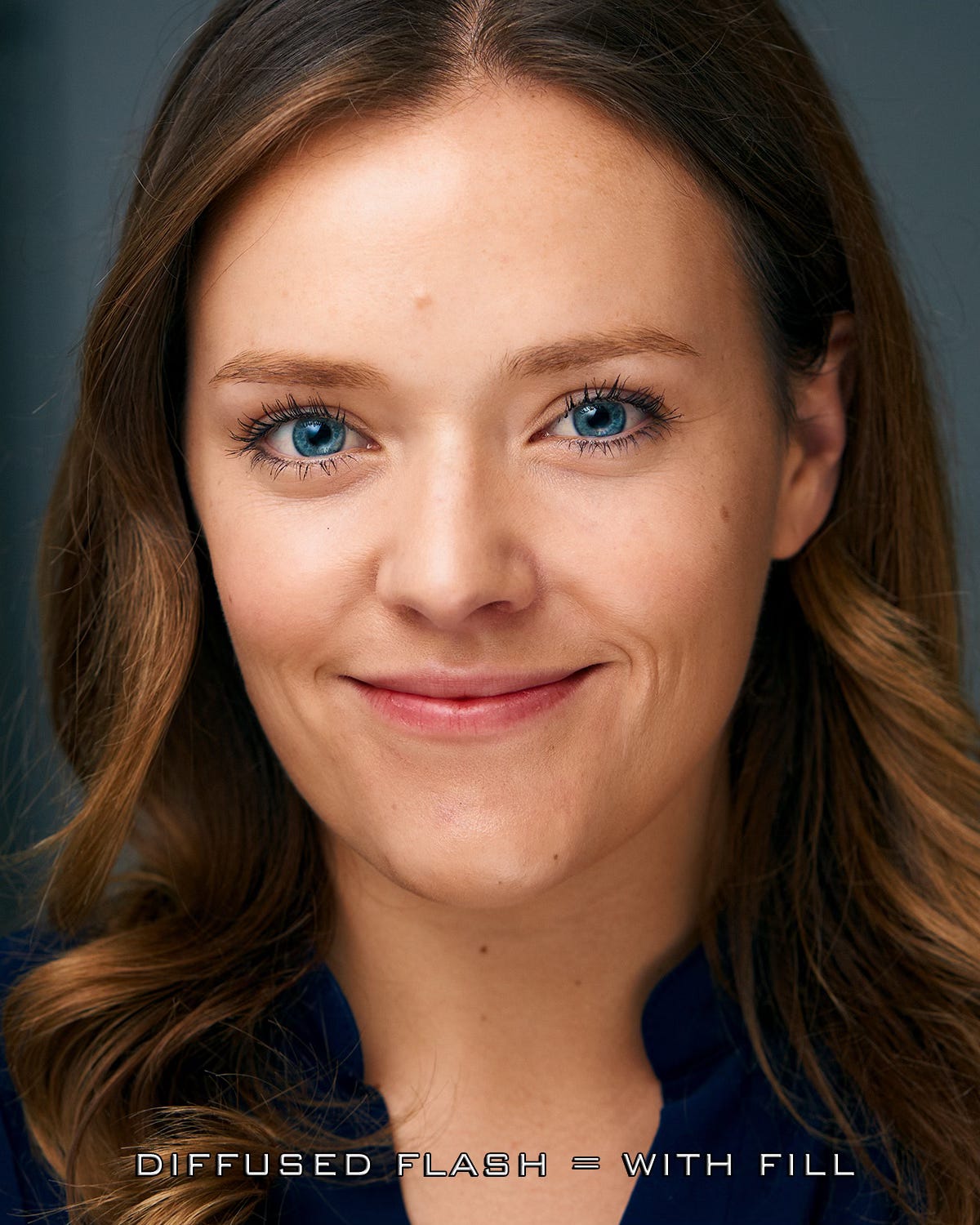
The second challenge involves light falloff with distance. As light spreads out in three dimensions, it loses intensity according to the inverse square law – double the distance, and the light becomes four times weaker. While this effect is imperceptible with distant sources like the sun, it becomes crucial in studio settings where moving the light from three to six feet away reduces power by two full stops. However, this characteristic can work to your advantage, allowing you to light your subject up close, without reaching the surroundings, creating opportunities for creative separate lighting onto the background.
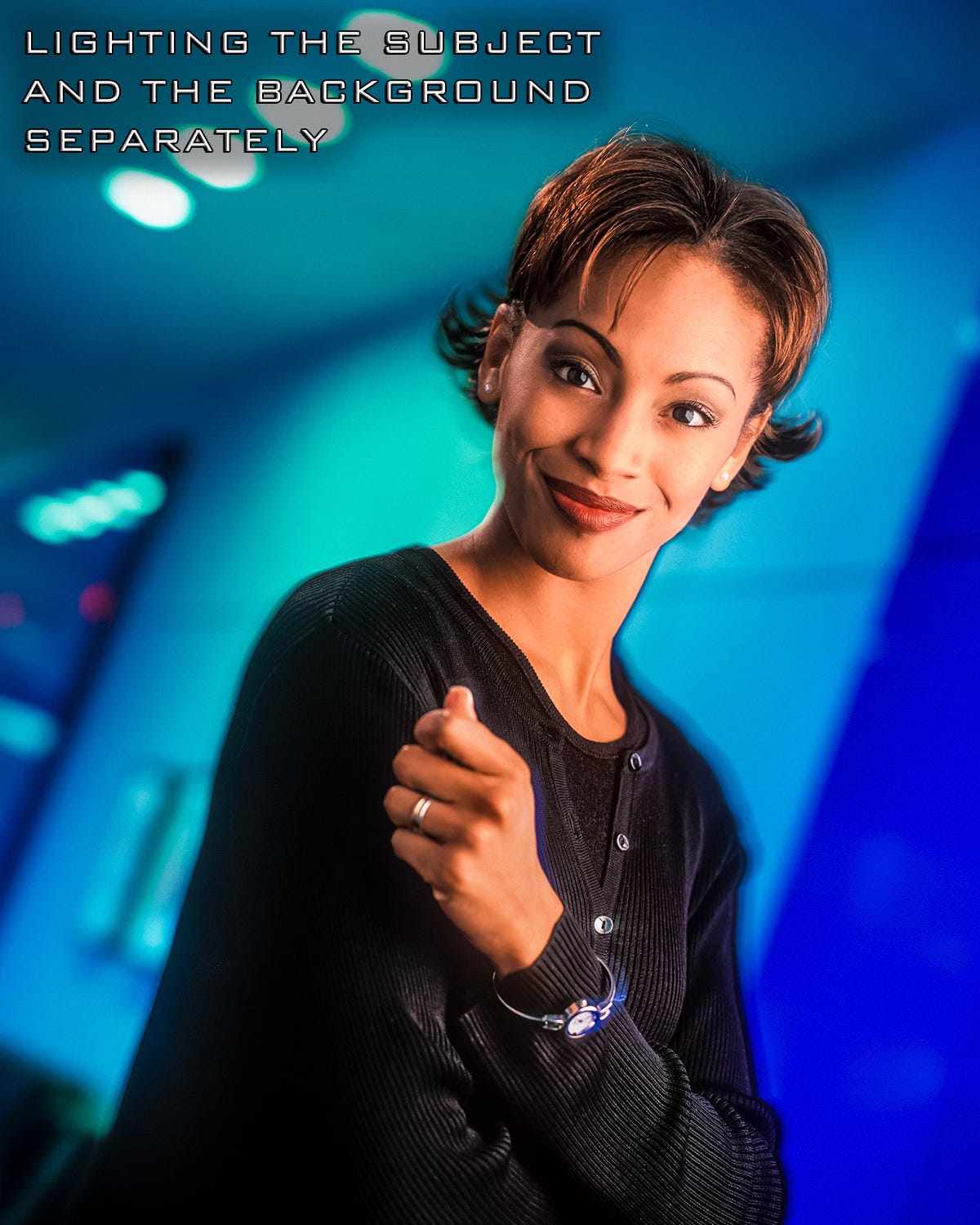
Mastering artificial light requires years of experience, but today's digital cameras provide immediate feedback, accelerating the learning process significantly. With practice and understanding of these fundamental principles, you'll develop the confidence to shape light precisely as you envision.
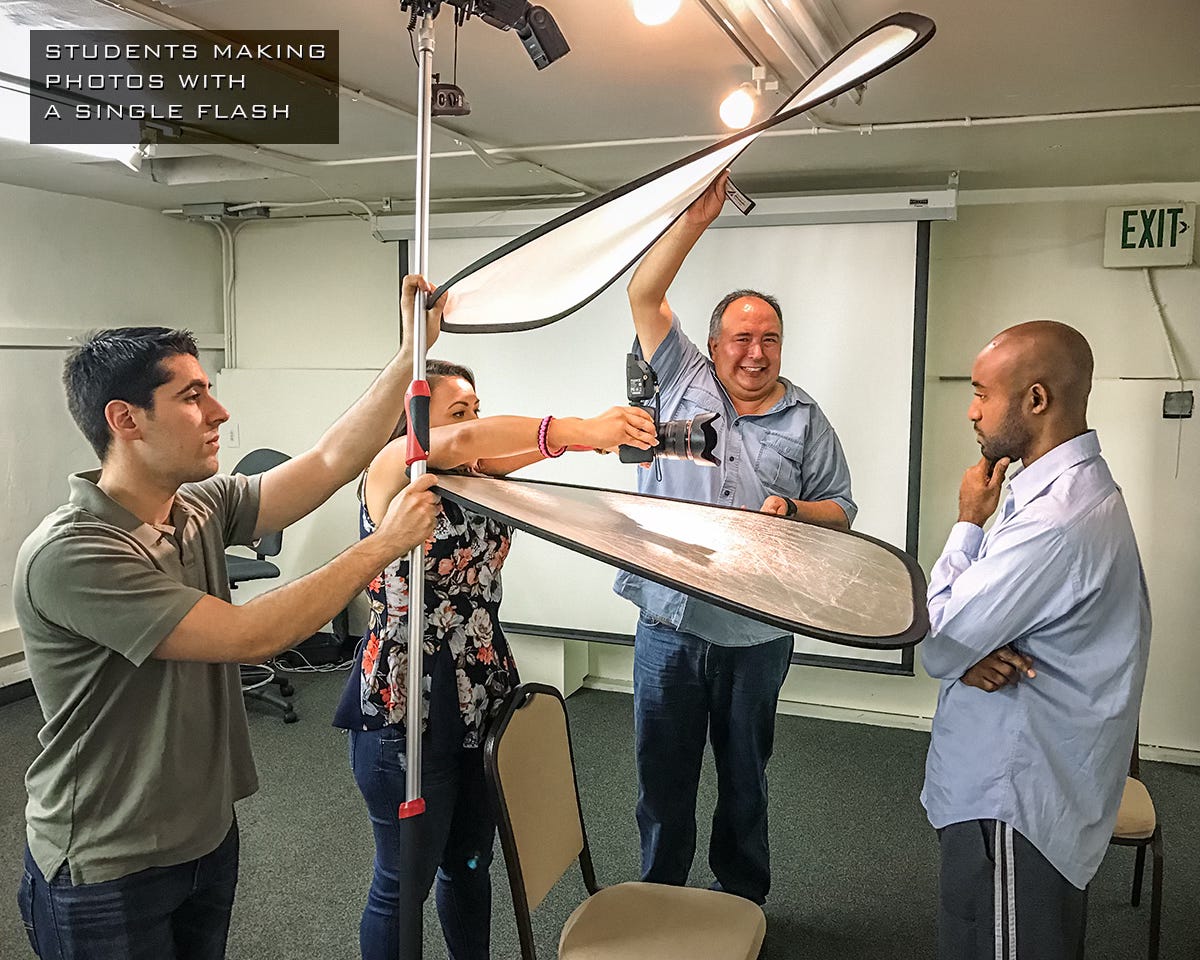
Of course, I’d be remiss if I didn’t mention that all my workshops are focused on lighting - so, if you’re close to LA, think about attending some!
Ask me about lighting:
Subscriptions are free: